A stiff or sticking lock: what is wrong and what to do
A stiff lock rarely fixes itself. It usually gets worse until the key snaps or the lock jams.
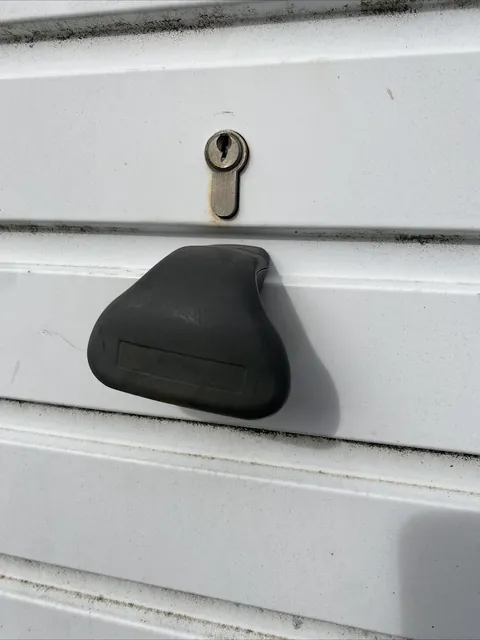
- Subject
- A stiff lock: what is wrong?
- Series
- Guides
The usual causes
A worn cylinder or key. A door that has dropped and puts pressure on the bolt. A dirty or corroded mechanism, common near the sea. A failing multipoint gearbox.
What not to do
Do not force the key. Do not use thick oils or superglue. Lift the door slightly while turning if it has dropped, as a test, but do not rely on it.
What to do
Call early. A cylinder replacement or a door adjustment is a small job. A snapped key is a bigger one.
A test you can do
With the door open, turn the key in the lock. If it turns smoothly when the door is open but stiffly when the door is shut, the lock is probably fine and the door has dropped or the keep is out of line. If it is stiff even when the door is open, the cylinder or the gearbox is worn.
Why salt air matters in Cornwall
Coastal air is hard on locks. Cheap cylinders corrode, springs stiffen and mechanisms seize. If your door faces the sea, expect locks to age faster, and ask for hardware that is made to cope with it.
Quick answers
Can I use WD-40?
Light lubricant is fine sometimes, but a worn lock needs replacing, not oiling.
Should I replace a stiff cylinder?
Often yes.
Why is it worse in winter?
Cold and damp make worn parts stick.