Euro cylinders: sizes, anti-snap and getting the fit right
A euro cylinder is the part your key turns on most modern doors. The right one fits flush and resists snapping.
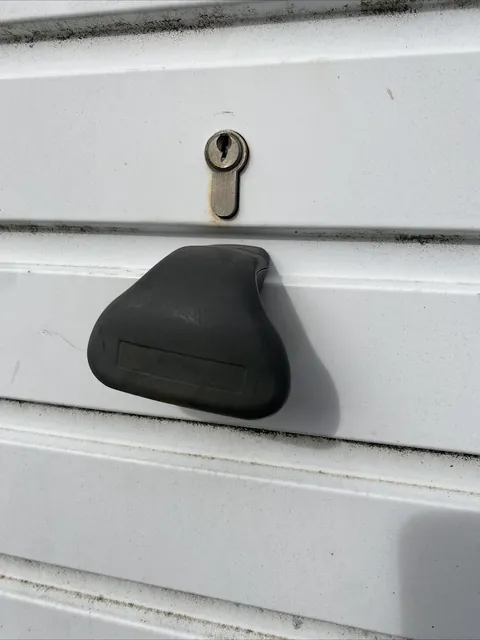
- Subject
- Euro cylinder sizes and anti-snap
- Series
- Guides
How sizes work
Euro cylinders are measured as two numbers in millimetres, for example 35/45. They are the lengths on each side of the central fixing screw, one for the outside and one for the inside of the door. They come in 5mm steps. Measure from the screw, not the whole cylinder.
Fit
A cylinder that sticks out of the door by more than a few millimetres can be attacked more easily. A cylinder that is too short may not work with the handle.
Anti-snap
An anti-snap cylinder has a weak point that breaks first, so the part that works the lock stays in place. Cylinders rated three stars to TS007, or carrying the Sold Secure Diamond mark, are what many insurers prefer. Check your policy.
Other types
Oval, screw-in and restricted cylinders suit other doors and uses. Tony lists them all.
How to measure one
Measure from the central screw hole to each end of the cylinder, giving two numbers, for example 35 and 45. Tony's photos of multipoint locks show the same care with a tape. A cylinder should sit flush with, or only slightly proud of, the handle plate. If you are not sure, ask rather than guess.
Keys and security grades
Higher-grade cylinders resist picking, drilling and snapping better. Restricted-key cylinders limit who can copy keys. Which you need depends on the door and what it protects. A quick conversation with Tony will tell you what is worth paying for.
Quick answers
Can I buy one online?
You can, but get it measured first.
Is anti-snap worth it?
On a uPVC or composite door, usually.
Will my old keys work?
No. A new cylinder comes with new keys.